
Roofing Dumpster Rental in Sevierville, TN
Between hard mountain winters, storm damage and the constant turnover of cabins and rentals, roof tear-offs are steady work around Sevierville - and the county's composting plant won't take shingles. That makes a right-sized roll-off to the demolition landfill the practical way to clear a roofing job.
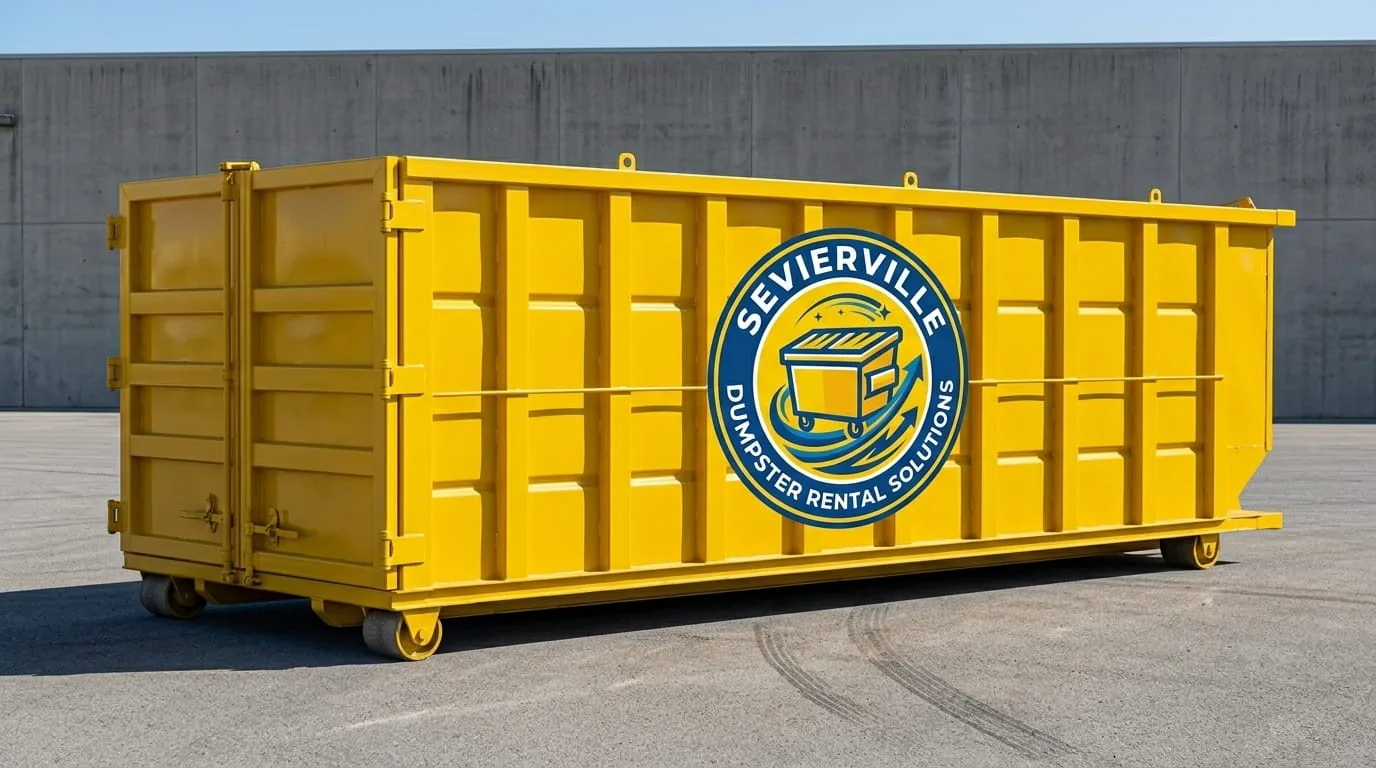
Why roofing needs its own container
Two things make roofing debris a special case. First, the Sevier Solid Waste composting plant that handles household waste specifically cannot take shingles or construction debris - they damage the digesters. Shingles go to the Class IV demolition landfill instead. Second, shingles are dense: a single layer over an average roof weighs a surprising amount, and multiple layers multiply it.
That weight is the whole story on sizing. A container that would hold a roof's worth of shingles by volume would be far too heavy to legally haul, so roofing goes in a smaller box filled to a level load.
After a hard winter or a storm, when cabins and homes across the county are re-roofing at once, having a hauler who can get a container out fast and swap it promptly is the difference between a one-day tear-off and a stalled crew.
Sizing a tear-off by the squares
Roofers measure in squares - each one is a hundred square feet of roof. Tell us the number of squares and the number of layers coming off, and we'll size it accurately.
As a rough guide, a single-layer tear-off on an average home often suits a 15 or 20 yard, filled to weight rather than volume. Multiple layers, a larger roof, or heavy architectural shingles push toward a swap or a second container.
Because shingles hit the weight limit before the box looks full, a 20 yard that appears half empty may already be at its allowance - that's expected, not a problem, and it's why we size by squares rather than by eye.
Placement on mountain roofs
The ideal spot is close to the house on a firm surface, positioned so the crew can toss debris straight in or run a chute into it. On the steep cabin lots common here, that placement takes planning - we plank on every delivery and set the container where the crew can reach it and the truck can retrieve it safely.
Tell us whether the tear-off is on the front or back of the house, and whether the lot is steep, so we can position the container to save your crew steps and set it where it'll sit safely.
Every load leaves tarped and secured as Tennessee law requires - important with loose, wind-catching shingle debris on a mountain lot.
Nails, felt and the full tear-off
A roofing container takes the whole tear-off: shingles, felt, flashing, rotten decking and the rest. Nails come with the territory - we just ask that you keep the general household debris out of a dedicated roofing load so it stays clean and correctly weighed.
If you're re-decking as well as re-shingling, that adds bulky wood on top of the dense shingles, so mention it and we'll factor it into the size.
And if the job is part of a bigger cabin remodel, we'll often set up a separate container for the household debris so neither load is dragged over its weight limit.
Where we provide this service
We deliver roofing dumpster rental across Sevierville and throughout Sevier County, plus the surrounding towns in Rockdale, Walton, Morgan, Jasper and DeKalb counties.
Book roofing dumpster rental in Sevierville
One call gets you a flat rate, an honest size recommendation and a delivery slot.
(865) 365-3954Roofing Dumpster Rental: common questions
Can I take roofing shingles to the county facilities?
No - the composting plant that handles household waste can't take shingles or construction debris. Shingles go to the Sevier Solid Waste Class IV demolition landfill, and a roll-off is the practical way to get them there.
What size dumpster do I need for a roof tear-off?
It depends on the squares and layers. A single-layer tear-off on an average home often suits a 15 or 20 yard filled to weight; multiple layers or a large roof may need a swap. Tell us the squares and we'll size it.
Why does the roofing container look half empty when it's full?
Because shingles are dense and reach the weight limit before they fill the volume. A 20 yard at its tonnage allowance can look half empty - that's normal, and it's why we size roofing by squares rather than by eye.
Can you place a roofing container on a steep cabin lot?
Usually yes - it's most of what we do here. We walk the grade, plank the surface and set the container where the crew can reach it and the truck can retrieve it. A photo from the street helps us plan.